Clark’s Pest Control has built a strong reputation as a regional expert in hornet control and pest management solutions throughout North and South Carolina. Hornets are a type of stinging insect. They are larger than similar flying insects, at an average length of 1.25 inches, although some grow as large as 2.2 inches. Hornets are a type of wasp and share the eusocial behavior. This is a system where the insects work together in multi-generational colonies where they care for offspring together and divide labor tasks between reproductive and non-reproductive groups.
The hive has a single queen at the top of the hierarchy. All other hornets prioritize the queen’s safety as she ensures the survival of the hive since she is the only member capable of laying eggs. The majority of the colony population is made up of asexual females. The male hornets reproduce with the queen and live only a short time.
How to Identify a Hornet
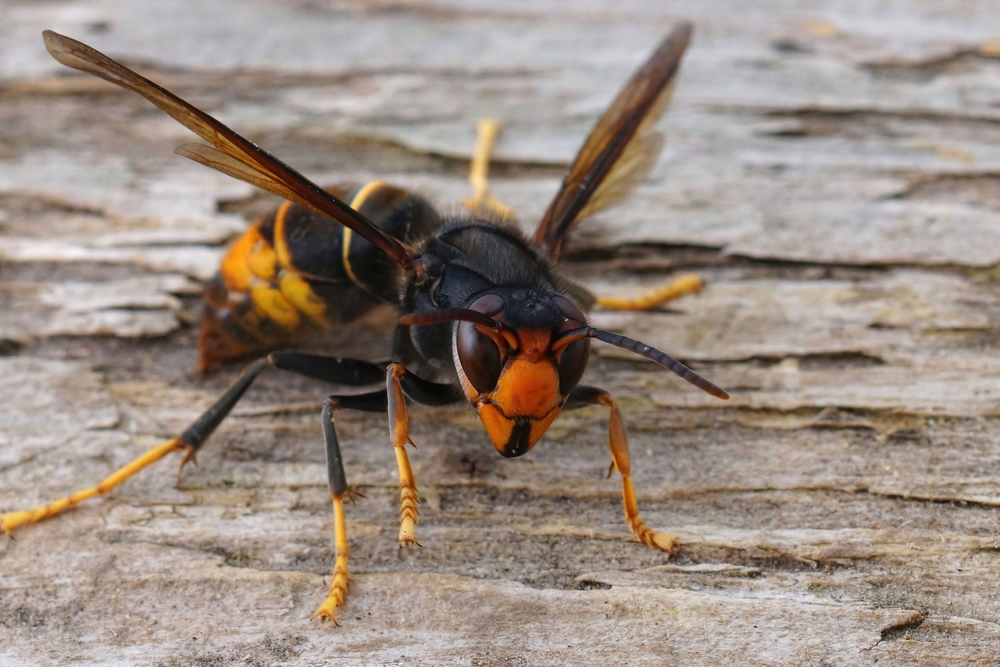
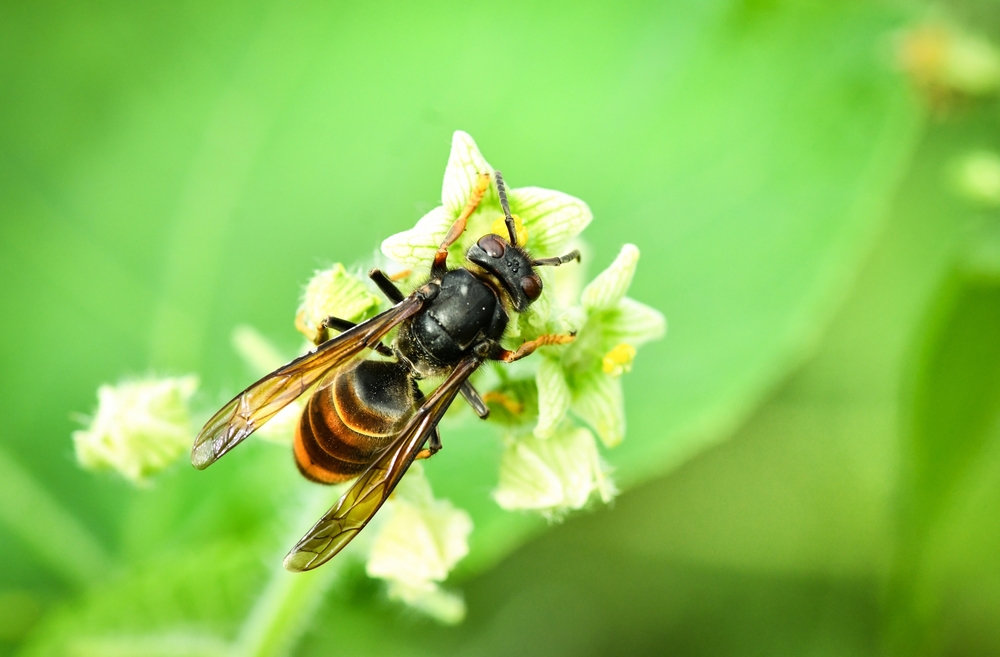
Hornets are striped in bands of black and yellow-orange. Some hornets have a darker red or brown coloring. You can distinguish hornets from other similar types of stinging insects by their rounder bodies. They have a large head and a plump abdomen separated by a narrower waist.
Hornets make their nests from masticated softwood pulp. The queen begins to build its nest after emerging from hibernation in the spring. The nest has a papery appearance and gray color. Hornets typically prefer to build their nests up high in trees or hollow tree trunks. In more residential areas, they may choose places like under roofs, decks, sheds, attics, or holes in the wall. Some may even build their nests on the ground or in an abandoned animal burrow. It’s important to check carefully for hornet nests to avoid stumbling across one and getting stung. If you notice increased activity around your home or business, call a hornet exterminator immediately.
Species of Hornets Common to the Carolinas
The Carolinas are home to two common species of hornet:
- Bald-faced hornets: This species is black with an off-white pattern covering their face and part of their abdomen. Their bodies are long, thin, and between 1/2 to 5/8 inch long. Bald-faced hornets are aggressive and tend to swarm, making them particularly dangerous.
- European hornets: These have brown bodies with yellow stripes on the abdomen. This is a larger species, with adults growing up to 1.5 inches long. European hornets are active at night and attracted to porch lights and windows.
Potential Dangers of Hornets
Although hornets are less aggressive than other wasps, they still pose a threat and will protect their nest if they feel threatened. Hornets can sting multiple times and their venom is more poisonous than others, making their sting more painful. The sight of the sting is also often red and itchy. People who are allergic to hornet stings, or those who have underlying health conditions, are at risk of more serious side effects or a severe allergic reaction that can be fatal.
Reasons Hornets are Attracted to Your Carolina Property
Hornets are a common pest throughout the United States. Their diet consists mainly of small insects, tree sap, and leaves. Like most pests, hornets get drawn to your property to seek out sources of food, water, and sheltered spaces to build their nests.
Effective Methods of Hornet Control and Prevention
Prevent hornets by doing some yard maintenance to make your home or business unappealing. Effective measures to take include:
- Removing standing water, including low spots in the grass, birdbaths, and rainwater that collects on furniture, toys, or other items.
- Clear away fallen fruit, nuts, and seal food waste in bins.
- Inspect outdoor structures like barns and sheds for nests and hornet activity.
- Treat wooden structures like decks and play areas. Hornets use untreated wood as material to build their nests.
- Seal cracks and holes that the insects could use to gain access to your home.
- Tightly cap chimneys.
- Use yellow outdoor lights instead of white light bulbs that attract hornets.
- Remove tree stumps that serve as appealing nesting sites.
- Control infestations of other insects that act as a food source for hornets.
- Plant herbs like mint around your property to keep hornets away.
You can try some methods to control hornets without endangering yourself by attempting to remove their nest. One way is with traps. Traps can keep populations down and away from outdoor areas where your family or employees spend time. It’s possible to buy hornet traps or make your own. Another natural solution is diatomaceous earth. This is a fine powder made up of fossilized plankton. The substance cuts and dehydrates pests like hornets on contact. These methods can help, but they have limitations. Diatomaceous earth only works on ground nests, while traps won’t eliminate populations completely.
How to Get Rid of Hornets in the Carolinas
Keep your outdoor spaces clean and tidy to help deter hornets from making themselves at home. Stay alert for pest activity and act quickly if you frequently spot hornets around your space. Some signs that hornets are becoming a problem include:
- Sighting a nest
- Hornets gathering in certain areas or returning frequently
- Decreased numbers of insects around your yard
- A buzzing or humming sound
Don’t try to remove nests on your own. This task is best left to a trained professional to get the job done safely. Hornets can attack if you approach their nest and they consider you a threat. Getting stung by a hornet once is often just a minor nuisance, but hundreds of stings from an angry colony are enough to kill an adult.
Protect Your Carolina Home or Business With Help from Clarks Pest Control
Clarks Pest Control provides quality, state-of-the-art pest management services for hornets in the Carolinas. Our team members are trained to find the source of your pest issue and employ customized treatment methods using the latest technology to deliver effective results. We provide excellent customer service and environmentally friendly services to target hornets and give you long-lasting results. Carolina property owners know they can count on us to keep pests from ever coming back. Contact a Clark’s representative today, and let us know how we can help!
Carolina Hornet Control FAQs
Still have questions regarding hornet control in the Carolinas? Check out some frequently asked questions below:
What is a murder hornet, and how dangerous are they?
Murder hornets, or the Giant Asian Hornet, are the largest hornets in the world. These stinging insects have not been spotted officially in the Carolinas, but it is important to stay vigilant. They can sting humans, but they also invade honeybee hives and eradicate the entire hive from within. Murder hornets are often mistaken for European hornets, who are the only stinging insects that sting at night.
How many times can a hornet sting you?
Hornets can sting multiple times. Unlike honey bees, they have smooth stingers that do not get caught and stuck in human skin. This means they are able to inflict several stings in quick succession when threatened, which can cause intense pain.
How long does it take to get rid of hornets?
After treatment, hornet activity can remain for up to 2 weeks in the summer and up to 20 days in the autumn.
What kind of plants will deter hornets from my property?
Planting herbs like mint, peppermint, and wormwood around the border of your garden can help you keep hornets off your property now and in the future.
GET A FAST FREE ESTIMATE
QUICK LINKS